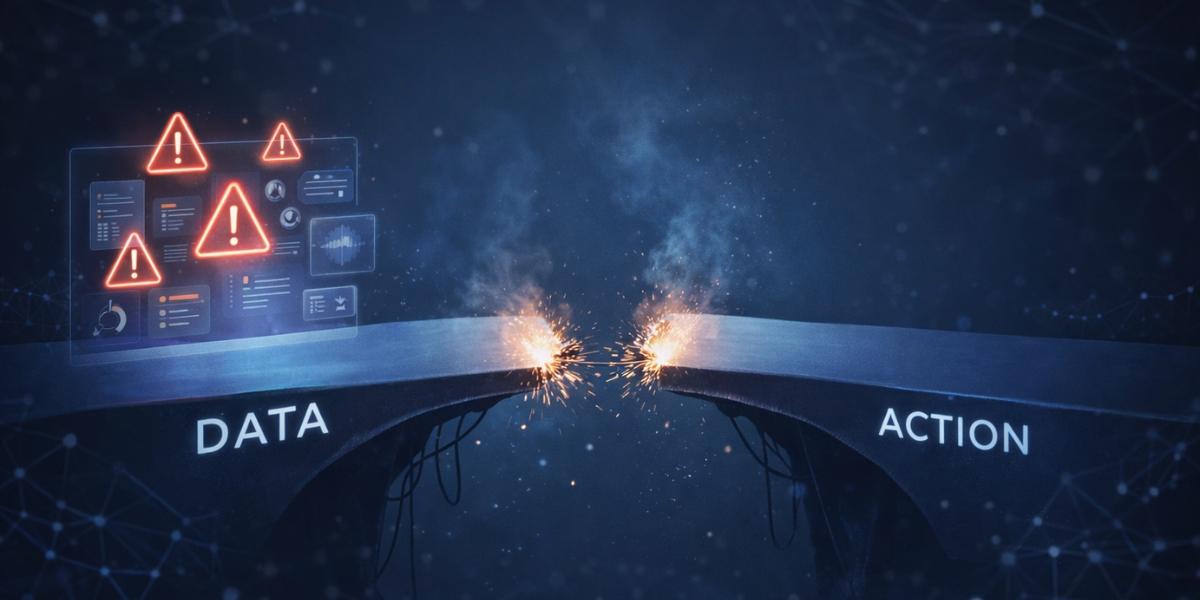
Most organizations believe their security tools reduce risk. In many cases, they do not. The issue is not the tools themselves, but what happens after the tools are in place.
You can have dashboards, alerts, and reports running every day, which creates visibility. But visibility does not equal protection. If no one owns the alerts, tracks issues, and confirms that problems are fixed, your risk does not go down.
This is where many businesses get stuck. They invest in tools, assume things are under control, and move on. Meanwhile, risks stay unresolved in the background.
If you are not sure how your current setup actually reduces risk, it is worth taking a closer look at how your process works in practice.
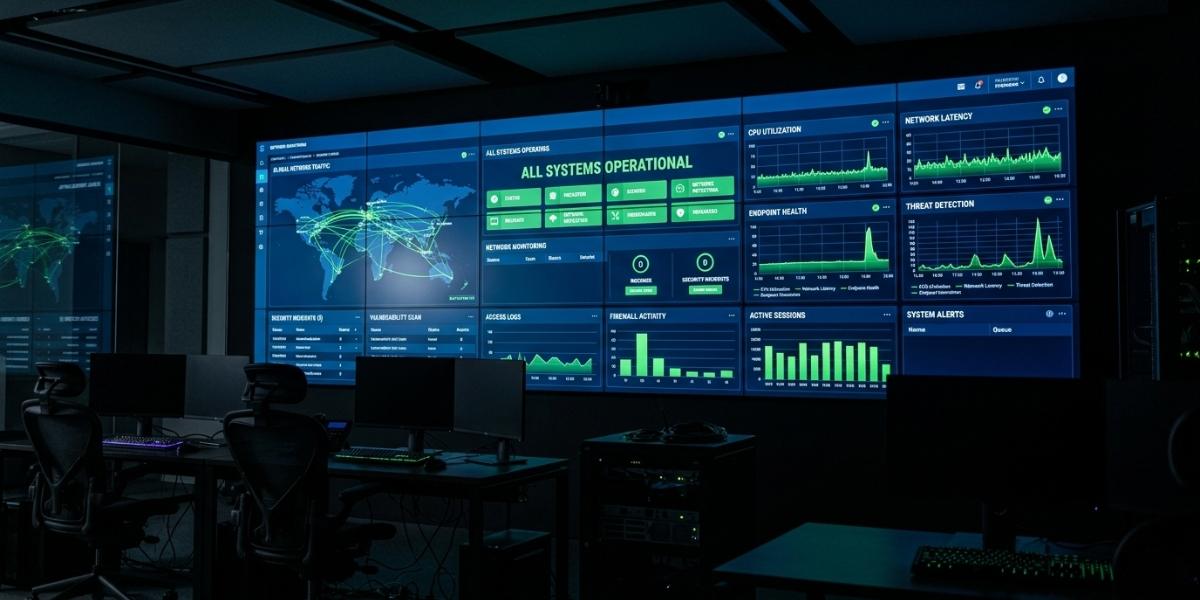
Why Most Security Strategies Fail After the Tool Is Installed
A common pattern shows up across many organizations. A new security tool gets deployed. The team feels more secure. Leadership feels reassured. Then the focus shifts back to daily operations.
The problem is that the tool was treated as the finish line, not the starting point. Security tools generate alerts, highlight vulnerabilities, and point out issues, but they do not fix anything by themselves.
Over time, a few things start to happen:
- Alerts pile up and do not get reviewed consistently
- Teams assume someone else is handling the issue
- Priorities shift to user support and uptime
- Security becomes something that runs in the background
This creates a false sense of control. You see activity, so it feels like something is being done. But in reality, the work that reduces risk never happens.
SOC Monitoring Does Not Reduce Risk Without Action
SOC monitoring is often seen as the answer to security concerns. It sounds comprehensive and active, but SOC monitoring does one thing well: it watches.
It collects logs. It detects unusual activity. It generates alerts when something looks off. That is useful. But it is only the first step.
SOC monitoring does not respond to alerts. It does not confirm fixes. It does not make decisions. It only provides information.
If no one is responsible for reviewing alerts, prioritizing them, and taking action, SOC monitoring turns into background noise.
This is where the gap becomes dangerous.
You might have SOC monitoring in place and still face:
- Alerts that go unnoticed
- Issues that stay unresolved for weeks or months
- Delays that increase the impact of incidents
From a leadership perspective, this is even more risky. You assume coverage exists, and problems are being handled. But in reality, nothing is being followed through.
SOC monitoring gives you awareness but doesn’t guarantee full protection.

The Gap Between “We Fixed It” and Reality
One of the most common breakdowns in security comes from assuming something has been fixed when it has not. This shows up in everyday situations that often go unchecked.
- Patches Marked Complete without Full Confirmation – A patch gets deployed and the team considers the job done. In reality, some systems may not receive the update, leaving parts of your environment exposed.
- Vulnerabilities Closed without Verification – An issue gets flagged and someone reports that it has been addressed. However, without verifying the result, the vulnerability may still exist.
- Policies Approved but Not Enforced – A policy is written and accepted, but no one checks if it is actually being followed. Over time, gaps form between what is documented and what happens in practice.
On paper, everything appears handled. In reality, the risk remains.
Without confirmation, you are relying on assumptions, and assumptions do not protect your business.
Why Visibility Without Ownership Breaks Security
Security tools generate a constant stream of data, including alerts, reports, and logs. While this information is useful, it does not lead to results on its own. It only becomes valuable when someone takes responsibility for acting on it.
When ownership is unclear, issues start to build up quickly:
- Alerts Go Unreviewed – Important signals come in, but no one consistently checks or prioritizes them.
- Issues Lack a Clear Next Step – Problems are identified, but there is no defined process for what happens next.
- Responsibility is Unclear – Without a designated owner, everyone assumes someone else will handle it.
- Problems Stay Open Longer Than They Should – Delays increase, and unresolved issues quietly add risk over time.
Even capable teams run into this situation. The problem is not a lack of skill. It comes down to structure and clarity.
When no one owns a system or a set of alerts, work slows down and decisions get delayed. As a result, risks remain in place longer than expected.
Ownership changes this. It brings clarity to key questions:
- Who is responsible for this system?
- Who reviews and prioritizes alerts?
- Who confirms that a fix worked?
- What happens if an issue is not resolved on time?
Without clear ownership, security becomes passive. You may be aware of problems, but awareness alone does not reduce risk.
How Accountability Changes Security Outcomes
Accountability is where security efforts start to produce real results. When ownership is clear and expectations are defined, behavior changes.
Alerts get reviewed on time. Issues do not sit unnoticed. Teams follow through because they know they are responsible.
Without accountability, alerts become informational. They show up, get acknowledged, and then get ignored.
With accountability, alerts lead to action.
This shift is simple but powerful. It turns security from a passive activity into an active process.
It also creates visibility at a different level. You do not just see problems. You see progress because you see what has been resolved and what still needs attention.

A Simple Model for Moving From Monitoring to Real Protection
You can think of security maturity as a progression.
At the first stage, tools are in place. Alerts are generated. This is where many organizations stop.
At the next stage, teams become aware. Alerts are reviewed, but not always consistently. Some issues get addressed, others do not.
Then comes a managed stage. Ownership is assigned. Response expectations are defined. Work becomes more consistent.
Finally, there is a verified stage. Fixes are confirmed. Issues are tracked through resolution. Processes run regularly.
The goal is not perfection. The goal is progress.
Moving from one stage to the next requires focus on ownership, accountability, and verification. That is what turns SOC monitoring into something that actually reduces risk.

The Role of Process in Managed Cloud Security and Proactive Management
Managed cloud security only works when it is backed by a clear process that connects alerts to action, action to verification, and verification to consistent follow-through.
This is where CorCystems focuses its approach. Instead of relying on tools alone, the emphasis is placed on making sure security data leads to real outcomes through structured execution:
- Clear ownership assigned across systems and environments
- Defined response expectations so issues are not left unresolved
- Ongoing tracking of vulnerabilities and alerts through resolution
- Verification steps to confirm that fixes are actually applied
Proactive management means addressing issues before they grow by tracking vulnerabilities, following through on fixes, and confirming that those fixes actually worked. Without that structure, even strong cloud security tools lose their effectiveness.
With it, those same tools become far more useful because they provide the information needed to take action at the right time.
If You Are Not Verifying, You Are Not Reducing Risk
By this point, the pattern is clear. Tools give you visibility, but visibility only matters if it leads to action, and action only matters if it is followed through and confirmed.
Improving your security posture does not start with adding more technology. It starts with understanding your environment, assigning clear responsibility, and making sure every issue is tracked through to resolution and verified.
If you are not sure where gaps exist in your current process or how well your team is following through on security issues, it is worth taking a closer look.